Clearance CLR-1336 · AIR647
AIRKPO
Air CargoClearance sheet
K-Pop Airfreight Passes 1,000-Tonne Mark in Cargo Milestone
K-pop-linked airfreight has reached 1,000 metric tonnes, Air Cargo Week reports, turning fan merchandise into a cargo segment carriers plan around rather than a novelty.
Read-back
- K-pop-related air cargo volume has reached 1,000 metric tonnes, per Air Cargo Week.
- The category includes albums, merchandise and collectibles shipped from South Korea to global fan bases.
- Demand spikes around album releases, tours and fan events, behaving like seasonal e-commerce freight.
- The tonnage milestone moves fan-economy freight onto the planning sheets of carriers and forwarders.
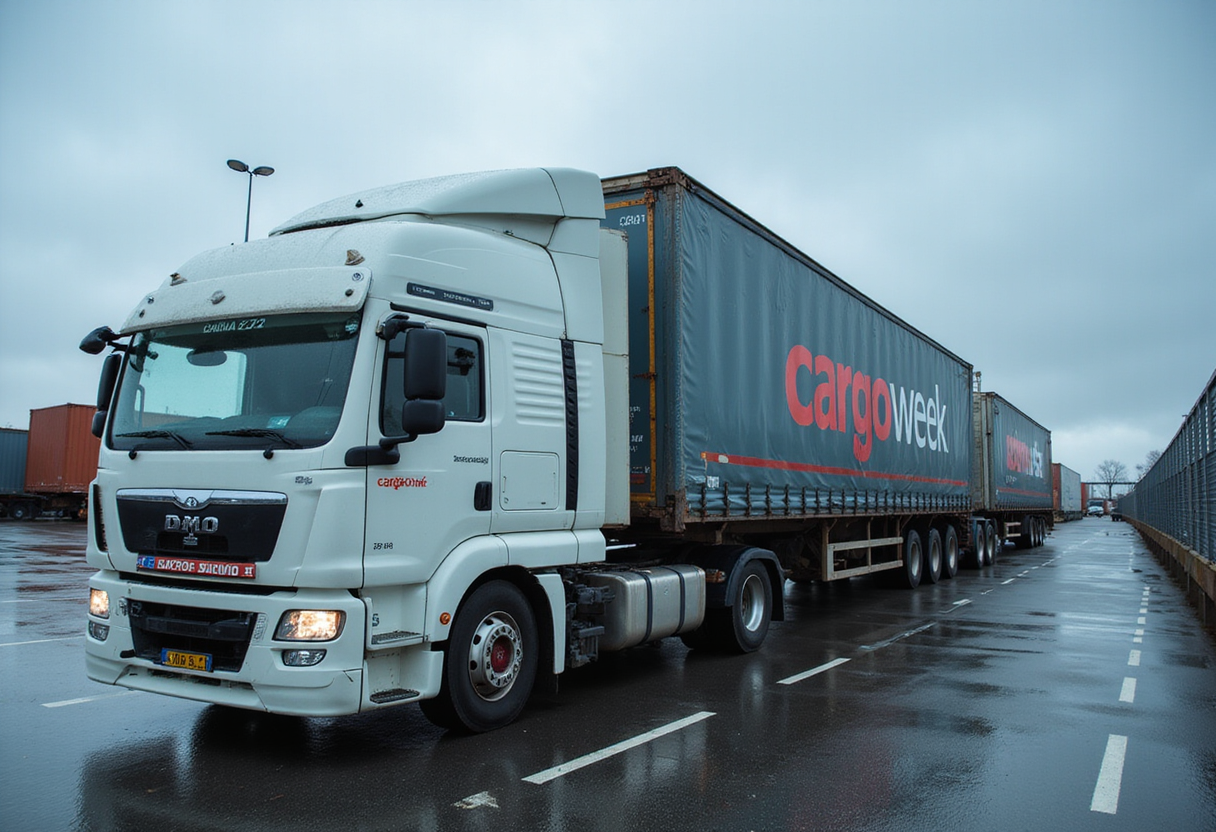
Air cargo linked to K-pop merchandise has crossed 1,000 metric tonnes, according to a report by Air Cargo Week — a figure that moves fan-economy freight out of the novelty column and onto the tonnage sheets that freighter operators and forwarders actually plan around.
The milestone matters because of what it measures. A thousand tonnes is not the weight of a few tour shipments. It is the cumulative mass of albums, light sticks, apparel, collectibles and branded goods moving on scheduled capacity, in the bellyholds of passenger aircraft and, at peaks, on dedicated freighter rotations.
What does 1,000 tonnes actually represent?
Tonnage is the currency of airfreight. Carriers price it, airports report it, and forwarders bid on it by the kilo. When a single cultural export category generates four digits of metric tonnes, it stops being a marketing anecdote and starts being a cargo segment — one that behaves like seasonal retail freight, surging around album release dates, tour schedules and fandom calendar events such as anniversaries and fan meetings.
That behaviour has operational consequences. Release-driven demand is spiky, short-notice and concentrated on specific origin points in South Korea serving global fan bases. For freight planners, that profile resembles e-commerce peaks more than traditional industrial exports: high volume, light weight per piece, low tolerance for delay, and destination networks spread across the Americas, Europe and Southeast Asia.
Why the number keeps climbing
The K-pop business model is unusually cargo-intensive. Physical albums remain a core revenue driver even in a streaming era, because fans buy multiple copies for collectible photo cards and to register purchase counts that feed chart rankings. Each comeback cycle — industry shorthand for a new release — generates a synchronized global buying event, and the goods have to move from Korean printers and packagers to retailers and direct-to-fan channels worldwide within days.
Add concert merchandise, pop-up store inventory and limited-edition collaborations, and the tonnage compounds. The 1,000-tonne figure reported by Air Cargo Week captures a category that has quietly built scale over years of steady release cycles rather than a single exceptional shipment.
Who benefits from the flow?
The beneficiaries sit along a familiar chain. Korean forwarders book the capacity. Carriers with dense Incheon-origin networks capture the bellyhold demand on passenger routes where fan bases cluster. Destination-hub handlers and last-mile operators absorb the surge around release windows. And because much of the volume ships as high-value, low-density freight, it commands rate profiles closer to e-commerce than to bulk general cargo — yield that carriers welcome on routes where traditional cargo has thinned.
The milestone also reframes how the industry categorizes demand. Cargo planners already track semiconductors, automotive parts, pharma and perishables as distinct segments with forecasting models of their own. A fan-culture category registering four-figure tonnage argues for similar treatment: predictable triggers, concentrated origins, and a global destination map tied to fandom geography rather than industrial supply chains.
What comes next
The trajectory depends on the release calendar and touring cycle of Korea's entertainment agencies, which set the demand clock. If the agencies sustain their current output of albums, merchandise drops and international tours, the thousand-tonne marker is more waypoint than summit — and freight planners Incheon-side will keep building capacity around a demand signal driven, quite literally, by chart positions and light sticks.
via Google News: Air cargo (Source)
More from Nathan Brooks
Show full bio
Correspondent covering technology and product news in Commercial aviation industry coverage at Flightdeck Report.
468 articles
Same bay
- FDR102IATA Reports 5.6% Air Cargo Demand Growth in January 2026 · October 14, 2026
- FDR877Air Cargo Demand Grew 4.4% in August as Load Factor Reached 46% · September 30, 2026
- FDR191Air Cargo Demand Climbed 11.2% in February, IATA Says · October 14, 2026
- FDR296Air Cargo Tonnages Rebound Ahead of Chinese Holiday, WorldACD Data Shows · September 27, 2026
- FDR534Air Cargo Demand Up 4.4% as Trade Growth Underpins Peak Season · October 9, 2026