Clearance CLR-7537 · AIR710
AIRBEN
AirportsClearance sheet
Bengaluru–Vancouver Airport Pact Targets Cargo, Digital Systems
Maritime Gateway reports an airport cooperation agreement between Bengaluru and Vancouver focused on cargo growth and digital cooperation, though signatories and specific commitments were not disclosed.
Read-back
- Maritime Gateway reported a cooperation agreement between Bengaluru and Vancouver airports
- The agreement spans two streams: cargo growth and digital cooperation
- Signing parties, dates, and specific cargo or digital targets were not disclosed in available reporting
- Maritime Gateway typically covers shipping and ports, framing the announcement as freight-industry news
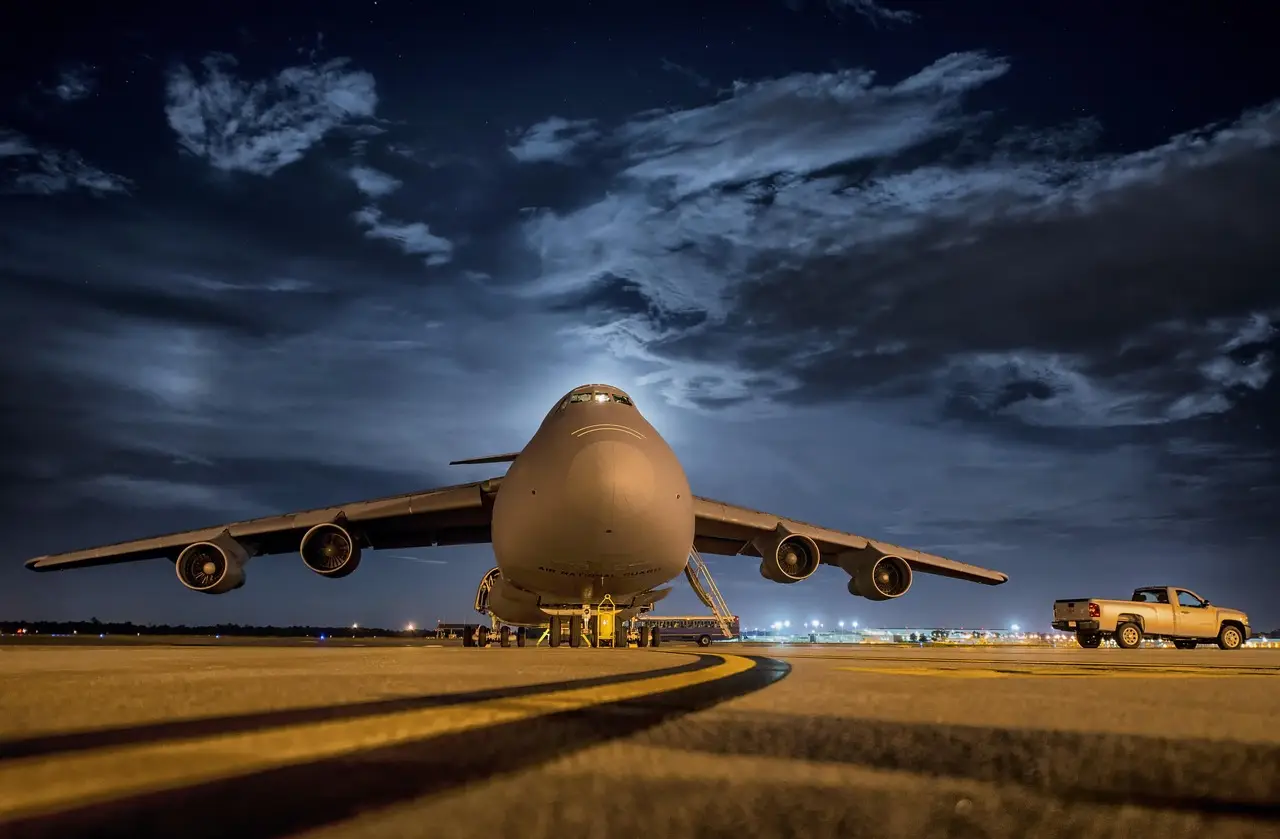
Airport operators in Bengaluru and Vancouver have signed a cooperation agreement covering cargo growth and digital cooperation, according to a Maritime Gateway report that headlines the deal — "Bengaluru–Vancouver Airport Agreement Targets Cargo Growth and Digital Cooperation."
The headline is firm. The detail is thin. The published report identifies the two airport jurisdictions and the two focus areas without disclosing signatories, the signing date, or the specific commitments inside either stream.
What's missing from the published report?
That thin newsprint leaves readers with questions the source cannot answer. Who put their name on the pact? What form does it take — a memorandum of understanding, a commercial framework, or something looser? What concrete items sit inside the digital cooperation term — biometrics, common data platforms, cargo community systems, or back-office integration?
On cargo, does the agreement carry volume targets, capacity commitments, route-development incentives, or shared marketing budgets? Or does it simply signal intent? Does the agreement extend to airline route-development incentives, or does it stop at the airport-operator level? Are carriers involved as signatories, or do they enter the picture only after the airport side signs?
Until the airports themselves publish their own release, those answers stay closed.
Why the pairing makes sense
Some context makes the pairing easier to read. Bengaluru sits in India's Karnataka state, the operational base for much of the country's IT services and pharmaceutical export industry. The city's airport, widely referred to as Kempegowda International, has climbed the cargo rankings over the last decade on the strength of those industries, exporting electronics, formulations, and e-commerce parcels.
Vancouver, on Canada's Pacific coast, has long anchored the western end of the Asia–North America cargo lane, routing perishables, machinery, and high-value goods both ways through the North American interior.
India–Canada trade has grown over the last decade. Air cargo has tracked that growth, with hub-to-hub flows increasingly routed direct rather than through Middle East or European connections. An inter-airport framework of this kind typically lands when both sides see enough lift in the lane to justify structured cooperation rather than ad hoc arrangements.
The two gateways have reason to study each other closely. Both have run capital programs on cargo handling and digital infrastructure over the last several years — runway and terminal work, customs systems upgrades, technology stacks that move shipments through. Shared benchmarks may form part of what "digital cooperation" covers in practice, even if the published terms do not yet say so.
What comes next
Maritime Gateway, the publication that carried the report, normally covers container shipping, ports, and multimodal logistics. That slant suggests the announcement was framed for the freight-forwarding audience — likely because the cargo piece dominates the pact from the operators' perspective.
Where the agreement goes next depends on how the airports translate it. Memoranda of this kind often precede shared marketing offices in third markets and reciprocal technology pilots. The next public step, if it follows the usual pattern, will be a clearer cargo volume target and a named digital initiative — the sort of deliverable carriers and forwarders can plan around.
For now, the agreement is a headline. The substance is the next page.
via Google News: Air cargo (Source)
More from Nathan Brooks
Show full bio
Correspondent covering technology and product news in Commercial aviation industry coverage at Flightdeck Report.
524 articles
Same bay
- FDR852Bengaluru and Vancouver airports sign pact to study direct flights · October 19, 2026
- FDR741BLR and Vancouver Airports Sign Sister Pact Targeting Air Cargo · October 16, 2026
- FDR413SATS signs MoU with Tocumen to expand Panama cargo operations · October 10, 2026
- FDR187ICAO States Set Course for Air Cargo's Sustainable Growth · October 19, 2026
- FDR533Aramex and GMR Airports sign initial air cargo pact · October 17, 2026