Clearance CLR-4152 · AIR833
AIRTAR
Air CargoClearance sheet
Tariffs Are Redrawing the Airfreight Map
Tariffs, not demand, are now the main force moving freighter capacity between lanes, Air Cargo Week reports — reshaping routes, rates and sourcing.
Read-back
- Air Cargo Week reports that tariffs are reshaping the airfreight map, with trade policy redirecting cargo flows between lanes
- Tariff-driven rerouting moves tonnage between origins without removing aircraft capacity, creating rate and load imbalances
- Supply chain shifts triggered by tariffs tend to persist for years due to supplier and infrastructure investment
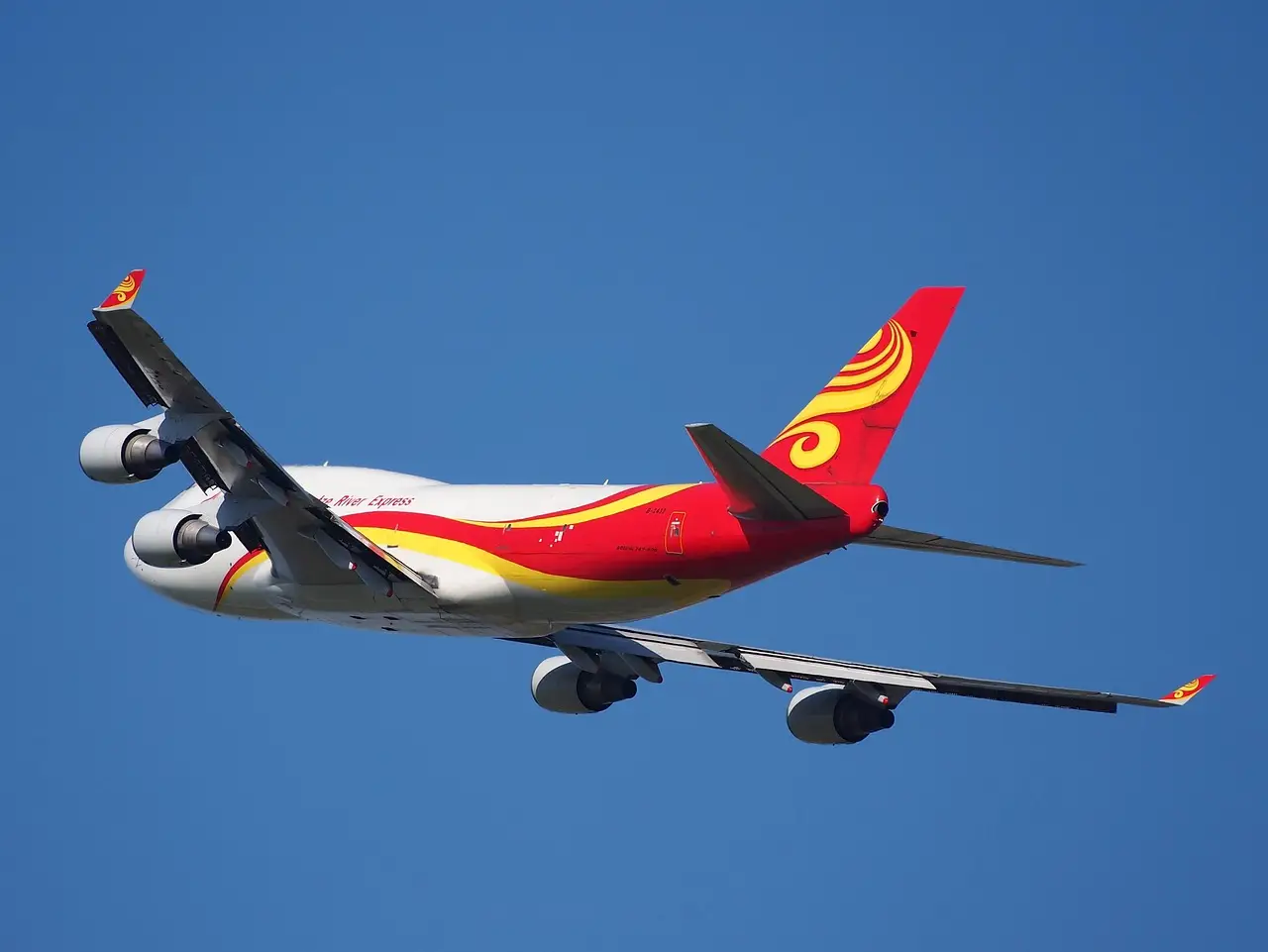
Tariffs are reshaping the airfreight map. That single framing, reported by Air Cargo Week, captures the most consequential shift in cargo operations since the pandemic-era capacity crunch: trade policy, rather than passenger belly capacity or seasonal demand, is now the primary force deciding which lanes grow and which shrink.
For an industry that spent four years adjusting to the disappearance and return of widebody belly space, this is a different kind of disruption. Tariff changes don't remove aircraft from the network. They redirect them.
Why does this matter for carriers?
Airlines and freight forwarders build their networks around predictable trade flows. When duties rise on specific goods moving between specific countries, shippers reroute supply chains — sourcing from different origins, routing through third-country transshipment points, or front-loading shipments ahead of implementation dates. Each of those responses moves airfreight tonnage from one lane to another.
The result is a map in motion. Lanes tied to tariff-exposed trade lose volume even when underlying demand holds. Lanes connected to alternative sourcing origins gain it, sometimes faster than capacity can follow. Carriers respond by shifting freighter deployments, a process measured in weeks and months rather than the days of a schedule cut.
What does this mean for capacity and rates?
The mechanism is straightforward. When volume shifts suddenly, the aircraft don't shift with it — at least not immediately. Origin points that gain cargo can see capacity tighten and rates rise. Origin points that lose it see the reverse. The imbalance is a pricing event as much as a routing event.
For freighter operators, that cuts both ways. A redeployment opportunity on a strengthening lane comes at the cost of a weakening one. For integrators and combination carriers with fixed widebody commitments, the calculus is harder still, because the same aircraft that carries cargo often carries a schedule promise to passengers.
How are forwarders and shippers adapting?
Shippers have responded to tariff regimes before, and the playbook is familiar: diversify sourcing, build inventory ahead of duty changes, and restructure routing to minimize tariff exposure. Every one of those decisions eventually shows up as tonnage on a specific flight, on a specific lane.
Front-loading deserves particular attention. When a tariff deadline approaches, shipments that would normally move over months concentrate into weeks. That spike stresses ground handling, trucking connections and freighter availability at precisely the moment the trade relationship itself is being repriced.
Is the reshaping permanent?
The honest answer is that trade flows have a memory. Supply chains that shift sourcing origins tend not to shift back quickly, because the underlying investment — in supplier relationships, certification, and logistics infrastructure — takes years to build. A lane that loses volume to tariff policy may keep the routing changes long after the specific duty that triggered them.
That persistence is what separates this moment from ordinary seasonal swings. Carriers planning freighter networks, airports courting cargo hub business, and forwarders pricing annual contracts all face the same underlying question: not whether the map has changed, but how much of the change sticks.
The airfreight map, as Air Cargo Week's reporting makes clear, is being redrawn by policy — and the industry's task now is to read the new geography before committing capacity to the old one.
via Google News: Air cargo (Source)
More from Nathan Brooks
Show full bio
Correspondent covering technology and product news in Commercial aviation industry coverage at Flightdeck Report.
520 articles
Same bay
- FDR753Geopolitics Is Rewriting Air Cargo Supply Chain Strategy · October 2, 2026
- FDR531Canadian Cargo Pivot to Europe Exposes Capacity Gaps · October 9, 2026
- FDR406Air Cargo Week: Tariffs Begin Making Their Mark on Air Freight · October 12, 2026
- FDR498APAC-Europe Air Cargo Volumes Fall 15% Year on Year · September 26, 2026
- FDR984Air Cargo Demand Still Climbing Through Geopolitical Disruptions · October 10, 2026