Clearance CLR-9344 · AIR293
AIRSIM
AirportsClearance sheet
Simpson seeks federal funds for Idaho Falls airport expansion
Representative Mike Simpson of Idaho has asked Congress to appropriate federal funding for an expansion of Idaho Falls Regional Airport, with the project's scope and dollar value yet to be disclosed in public reporting.
Read-back
- Representative Mike Simpson (R-Idaho) has requested federal appropriations for an expansion of Idaho Falls Regional Airport (IDA).
- The Idaho Capital Sun first reported the funding request; no dollar figure or project scope has been disclosed.
- Federal airport capital funding typically flows through the FAA's Airport Improvement Program or as congressional earmarks in the THUD appropriations bill.
- A successful appropriation would shift a portion of project costs from local to federal sources and could enable additional gates or apron capacity.
- House Appropriations Committee markups on THUD appropriations typically occur in summer, with floor action in the fall.
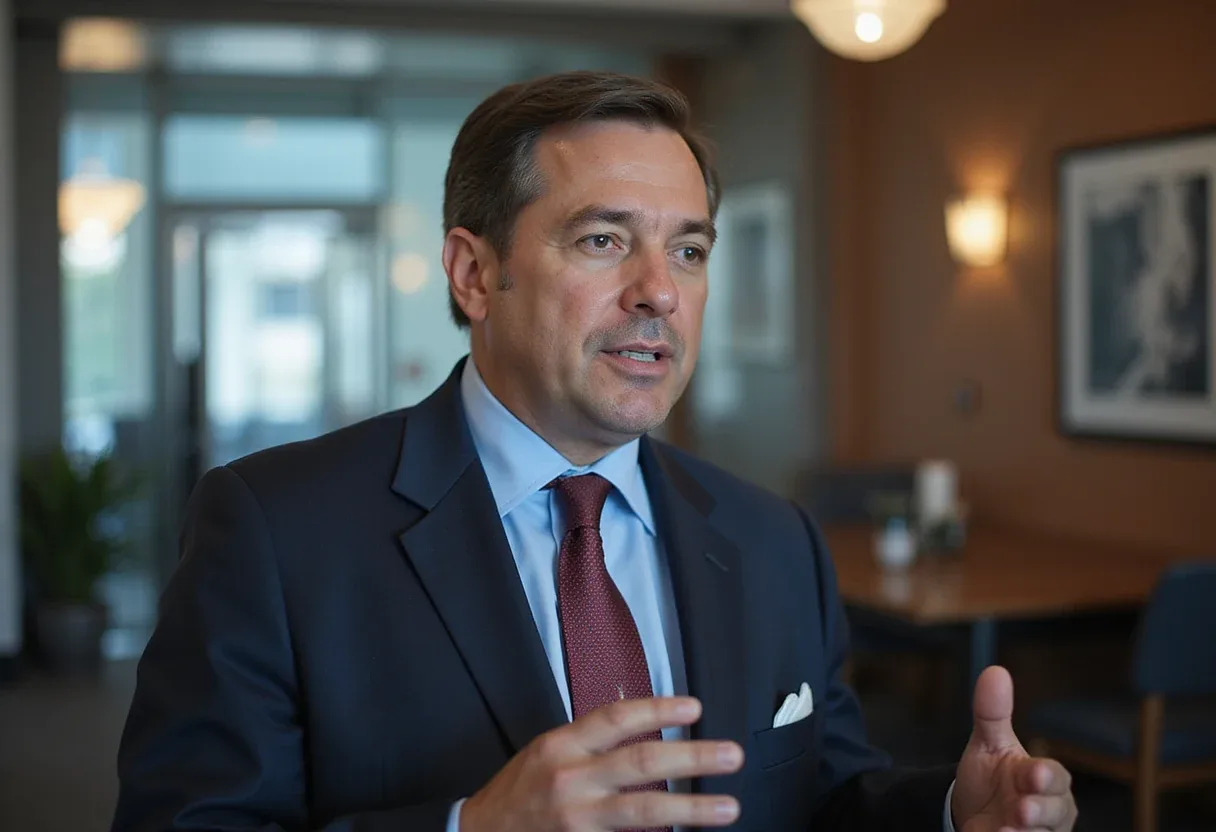
Representative Mike Simpson of Idaho has asked Congress to appropriate federal funding for an expansion of Idaho Falls Regional Airport (IDA), according to reporting from the Idaho Capital Sun.
The full scope and dollar value of the request have not been disclosed in the available reporting. Simpson's office had not released a project description, schedule, or itemized cost as of publication. The expansion would address capacity constraints at the airport, which serves eastern Idaho and the Idaho Falls metropolitan area.
How would federal money reach the airport?
Federal funding for airport capital projects typically flows through the Federal Aviation Administration's Airport Improvement Program (AIP), which awards grants for runway, taxiway, terminal, and safety projects based on formulas and discretionary set-asides. Airport sponsors usually match a portion of the federal share, with the exact percentage determined by airport size and project type.
A congressional earmark, by contrast, is a project-specific line item inserted into an appropriations bill by a member. Earmarks have funded terminal reconstructions and runway extensions beyond what formula grants alone would cover.
Which mechanism Simpson is pursuing, and whether his request will land in the annual Transportation, Housing and Urban Development appropriations bill or a standalone supplemental measure, has not been disclosed in the reporting to date.
What does this change for the airport?
An approved federal appropriation would shift a portion of the expansion cost from local and state sources to Washington. That reduces the burden on the airport authority's capital budget and on any state matching funds, and typically accelerates a project timeline.
For passengers, an expansion at Idaho Falls Regional could mean additional gates, expanded hold-room (post-security passenger waiting) capacity, modernized baggage handling, or new apron (aircraft parking and servicing) capacity, depending on the final scope. None of those specifics has been confirmed.
For the airlines serving the airport, expanded gates and apron space create the conditions for additional flights or larger aircraft on existing routes. Without disclosed project specifics, however, it is not yet possible to size the potential network effect.
What is next?
The appropriations process will determine whether Simpson's request becomes a funded line item. Members typically submit earmark requests in the spring ahead of the fiscal year budget markup, with final decisions embedded in the relevant year's THUD bill.
The Idaho Capital Sun reported the request but did not, in its coverage, cite a specific dollar figure, project phase, or completion timeline. Until those details emerge, the request amounts to a political signal of federal intent rather than a committed project budget.
Simpson's position on the House Appropriations Committee would, if held, place the request in committee jurisdiction for consideration. Committee markups on THUD typically occur in summer, with floor consideration in the fall under regular order.
For eastern Idaho travelers and for the airport's airline partners, the practical question is not whether IDA needs more capacity - regional demand has grown with the surrounding economy - but how quickly a federal appropriation could convert into construction contracts, gates, and operational improvements. That timeline depends on committee action, final appropriations, and any matching commitments from local authorities.
via Google News: Airport expansion (Source)
More from Priya Raman
Show full bio
Market editor covering money, funding and market shifts around Commercial aviation industry coverage at Flightdeck Report.
495 articles
Same bay
- FDR618US lawmakers introduce airport, ATC investment legislation · October 10, 2026
- FDR556Eugene to Seek Up to $100 Million From Oregon Legislature for Airport Expansion · October 14, 2026
- FDR708South Dakota Airport Loan Package Clears Committee Over Objections · October 10, 2026
- FDR379Jacobs selected to back an Idaho airport expansion program · October 15, 2026
- FDR562Eugene to Ask Oregon Legislature for Up to $100 Million for Airport Expansion · October 15, 2026