Clearance CLR-6637 · AIR902
AIRRED
AirportsClearance sheet
Redmond Airport expansion enters vertical construction phase
Roberts Field has moved from earthwork to above-grade framing, the Bend Bulletin reports, marking the most visible stage of the Redmond Municipal Airport expansion for travelers.
Read-back
- Roberts Field (RDM) has moved from earthwork to vertical construction, the Bend Bulletin reported
- The airport carries the FAA designator RDM and is operated by the City of Redmond in Central Oregon
- RDM serves the Bend-Redmond-Prineville corridor with regional-jet service from mainline and regional carriers
- No square-footage, gate-count, cost or completion-date figures were disclosed in the available headline
- Vertical construction typically concludes with building enclosure before interior fit-out and operational readiness testing
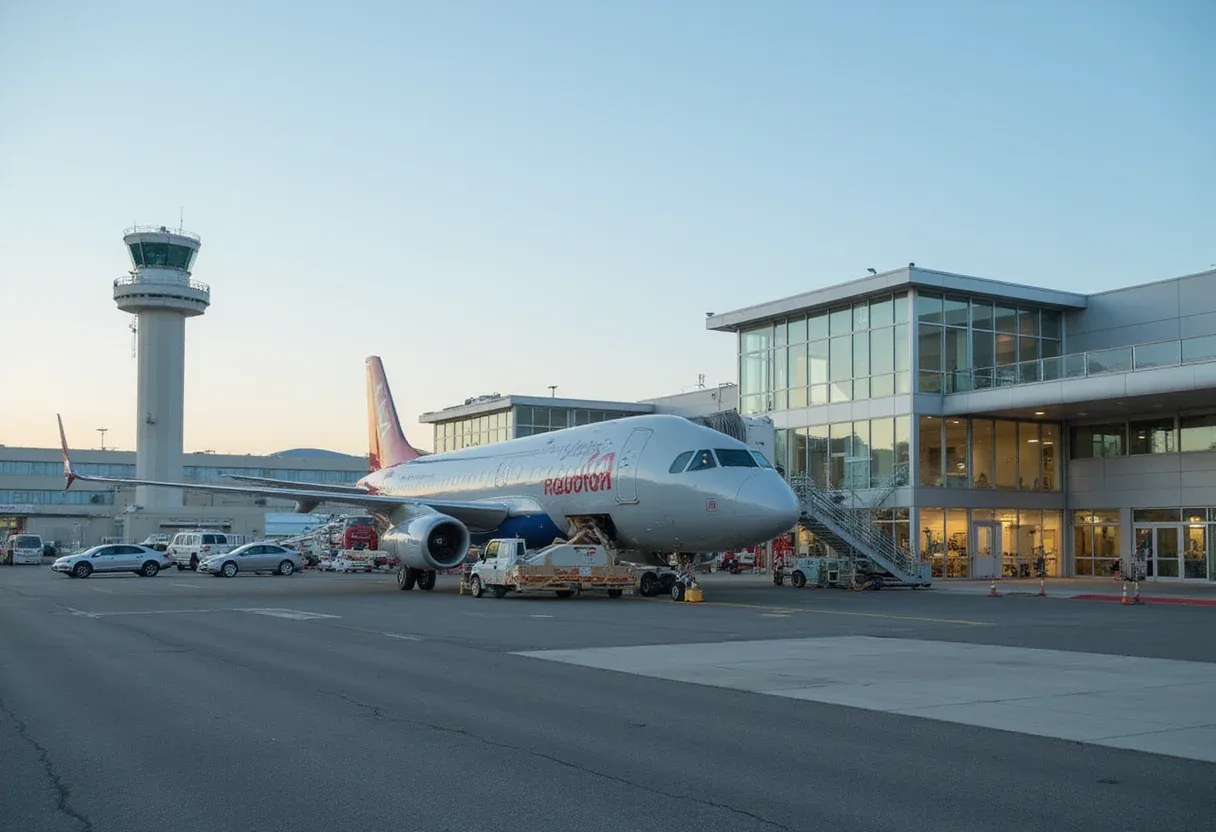
Roberts Field, the commercial airport serving Central Oregon's Bend-Redmond corridor, has entered its vertical construction phase, according to reporting carried by the Bend Bulletin. The shift marks the transition from underground utility and earthwork to above-grade structural framing at Redmond Municipal Airport (FAA designator: RDM), the regional gateway operated by the City of Redmond.
The Bend Bulletin characterized the project as "going vertical," a contractor's term indicating that foundation work is largely complete. For passengers using the high-desert facility, the change makes the expansion visible from the terminal curb rather than buried beneath the apron.
What does vertical construction mean for the project?
In airport-infrastructure terms, going vertical means structural steel, wall framing and roof structure have begun to rise on the previously prepared foundation pad. It signals that horizontal scope — drainage, paving sub-base and utility trenching — has been largely closed out, and that schedule risk now moves from weather-dependent earthwork to trades more sensitive to material lead times.
The Bend Bulletin headline does not enumerate specific square footage, gate counts, program cost or a handover target. Those figures, if disclosed in the underlying reporting, were not captured in the syndicated headline reaching Flightdeck Report.
Why is Roberts Field expanding?
RDM handles commercial service from a mix of mainline and regional carriers operating regional jets (narrow-body aircraft limited to roughly 50 to 76 seats). The single concourse serves both departures and arrivals without the jetbridge redundancy (multiple passenger boarding bridges allowing simultaneous aircraft handling) of Portland International (PDX) or Seattle-Tacoma (SEA).
Two demand patterns have driven sustained pressure on terminal capacity. Origin-and-destination leisure travel from Deschutes County residents has grown alongside permanent population, drawn in part by remote-work relocation. Inbound tourism tied to Mt. Bachelor, the Deschutes River trail network and Cascade lakes adds seasonal peaks, particularly during ski weekends, when boarding delays have been a recurring operational concern for airline station managers and ground handlers.
What does this change for travelers and airlines?
For passengers in the near term, vertical work typically produces construction fencing, modified wayfinding signage and occasional changes to drop-off, pickup or parking configurations. Airline operations — check-in counters, TSA screening and gate activity — generally continue during terminal expansion, though rental-car staging and curbside access can be reconfigured.
For airlines, additional terminal footprint translates into incremental capacity for new daily frequencies, larger regional equipment or service from a new entrant willing to commit capacity to a market that has demonstrated leisure demand. For the airport sponsor, the City of Redmond, vertical construction converts prior capital outlays into leasable concession, gate and hold-room space that can support additional seat inventory.
What happens next?
The vertical phase typically concludes with building enclosure, after which interior fit-out, mechanical and electrical trim, and finishes drive the schedule toward operational readiness testing (the formal commissioning of systems and training drills required before public use). The City of Redmond has not, in the available reporting, disclosed a target opening date or a revised program budget. Until the Bend Bulletin's underlying article yields specific completion and cost figures, RDM's expansion remains best understood as an active site transitioning from below-grade to above-grade scope, with modest but persistent effects on the passenger journey through the build.
via Google News: Airport expansion (Source)
More from Priya Raman
Show full bio
Market editor covering money, funding and market shifts around Commercial aviation industry coverage at Flightdeck Report.
495 articles
Same bay
- FDR638Airport demolition milestone clears path for terminal extension · October 10, 2026
- FDR737Huntsville International secures $2M federal grant for west-side work · October 10, 2026
- FDR230Topping Out: Final Beam Set at Southwest Florida International Expansion · October 15, 2026
- FDR655Kiewit Takes Construction-Manager-at-Risk Role at Aspen/Pitkin County Airport · October 10, 2026
- FDR379Jacobs selected to back an Idaho airport expansion program · October 15, 2026