Clearance CLR-7366 · SUS227
SUSNAT
SustainabilityClearance sheet
Nature makes the case for the Middle East as a sustainable fuel hub
A Nature commentary argues the Middle East can supply sustainable aviation fuel at scale, using solar power, capital and existing export infrastructure to break the industry's supply bottleneck.
Read-back
- A commentary in the journal Nature argues the Middle East can become a hub for sustainable aviation fuel production.
- The case rests on the region's existing energy export infrastructure, airline hubs and access to capital, plus abundant solar power for green hydrogen.
- SAF is drop-in fuel compatible with existing engines, made from wastes or synthesized from captured CO2 and hydrogen.
- Aviation's constraint is supply, not demand: airlines face blending mandates while announced fuel projects often fail to reach completion.
- No Gulf synthetic-kerosene plant has yet delivered commercial-scale volumes; the argument remains ahead of the delivery record.
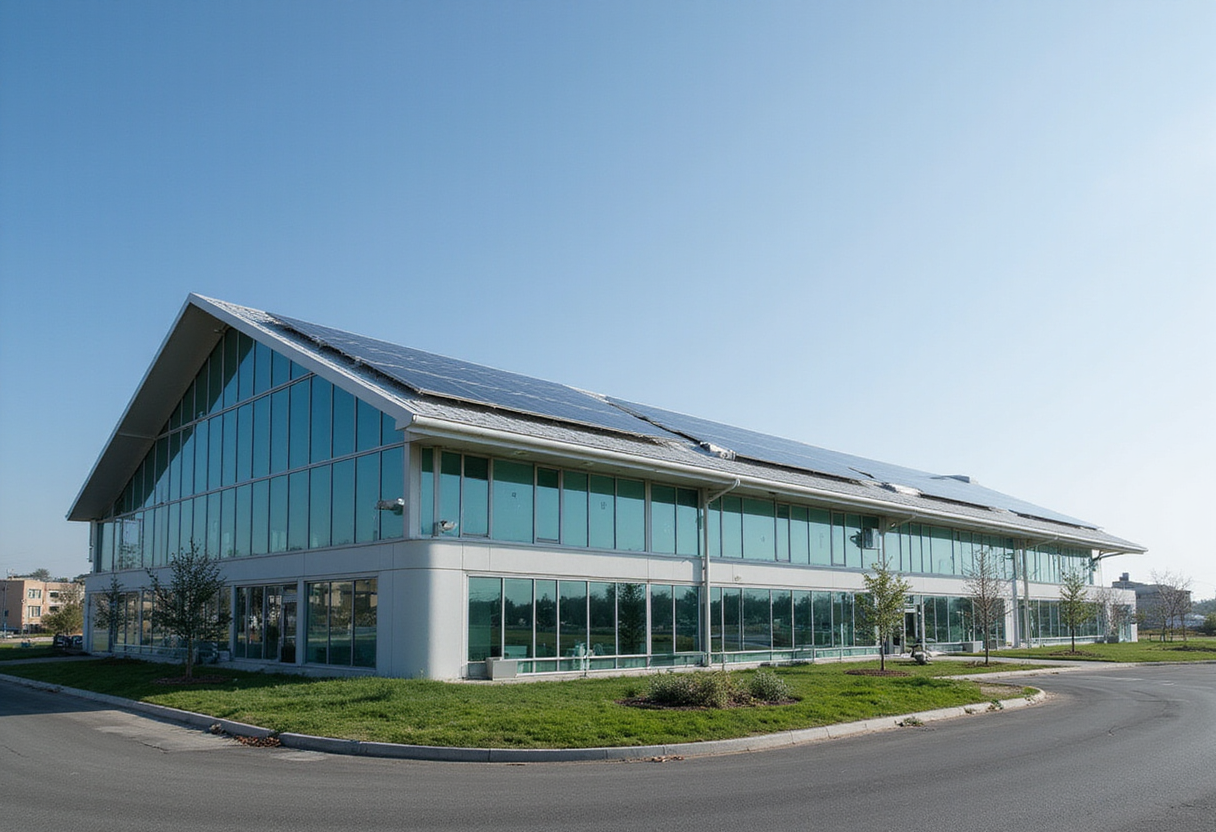
The Middle East can become a hub for sustainable aviation fuels, according to a commentary published in the journal Nature. The claim matters because it targets the part of aviation emissions that new aircraft designs cannot eliminate: the fuel itself.
Sustainable aviation fuel, or SAF, is drop-in fuel made from non-petroleum sources such as waste oils, agricultural residues or synthetic hydrocarbons built from captured carbon and hydrogen. It works in existing engines and tanks, which is why regulators and airlines treat it as the near-term lever for cutting lifecycle emissions from flying.
What does the region actually have?
The Nature argument rests on the region's existing position in energy supply rather than any new technology. Gulf states already move large volumes of hydrocarbons, operate major airline hubs, and hold capital that can absorb the high upfront cost of fuel plants. Add abundant solar power for green hydrogen production, and the region holds several inputs at once.
That combination is scarce elsewhere. SAF plants need feedstock, cheap renewable electricity and financing. Europe and North America have struggled to line up all three, and airlines have repeatedly signed offtake agreements faster than producers can build capacity.
The commentary frames this as an industrial opportunity: the region that built its wealth on jet fuel's fossil predecessor could extend that role into its successor. The mechanism is straightforward — renewable electricity splits water into hydrogen, the hydrogen combines with captured carbon dioxide, and the result is a synthetic kerosene that meets existing fuel specifications.
What does this change for airlines?
For carriers, a Gulf SAF hub would diversify supply away from the current patchwork of small producers in Europe and the United States. Fuel is the largest operating cost for most airlines, and SAF currently trades at a multiple of conventional jet fuel. More production capacity in one region could compress that premium and give hub carriers a compliance advantage as mandates tighten.
The regulatory backdrop is the driver. The European Union's SAF blending requirements phase in over this decade, and other jurisdictions are following. Airlines flying into regulated markets need certified volumes regardless of price, which turns any credible new supplier into a strategic asset.
Supply, not demand, is the constraint
The commentary's core point is that aviation's SAF problem is not willingness to buy. It is that announced projects consistently fail to reach final investment decision or deliver on schedule. A region with sovereign wealth funds, export infrastructure and state-aligned energy policy could, in principle, break that pattern where fragmented private developers have not.
The piece is an argument rather than a delivery record. No Gulf synthetic fuel plant has yet produced commercial volumes of e-kerosene at the scale the region's refineries handle in conventional jet fuel. The gap between the proposal and operating capacity remains the variable to watch, and the region's next wave of project announcements will show whether the Nature case translates into steel in the ground.
via Google News: Sustainable aviation fuel (Source)
More from Sophie Lindqvist
Show full bio
Senior reporter covering people, launches and day-to-day practice in Commercial aviation industry coverage at Flightdeck Report.
493 articles
Same bay
- FDR171Geopolitical Risk Strengthens the Case for Sustainable Aviation Fuel · September 30, 2026
- FDR357Minnesota Positions Itself as a Sustainable Aviation Fuel Hub · October 10, 2026
- FDR187Kuwait State Fuel Supplier Lines Up E-SAF Volumes From UK Project · October 9, 2026
- FDR490Sustainable Aviation Fuel at a Crossroads: Energy Security Meets Decarbonization · October 10, 2026
- FDR477Europe Pulls Further Ahead of US and Asia in Clean Jet Fuel · September 30, 2026