Clearance CLR-3807 · AIR454
AIRMIL
Air CargoClearance sheet
Milwaukee's Mitchell International opens air cargo center, hunts for tenants
Mitchell International has opened a new air cargo center and is recruiting tenants, entering a Midwest freight market dominated by Chicago-area hubs.
Read-back
- A new air cargo center has opened at Milwaukee Mitchell International Airport
- The airport is actively seeking tenants to build out its freight business
- No cargo tenants or investment figures for the facility have been announced
- The center competes with established Chicago O'Hare and Rockford cargo operations
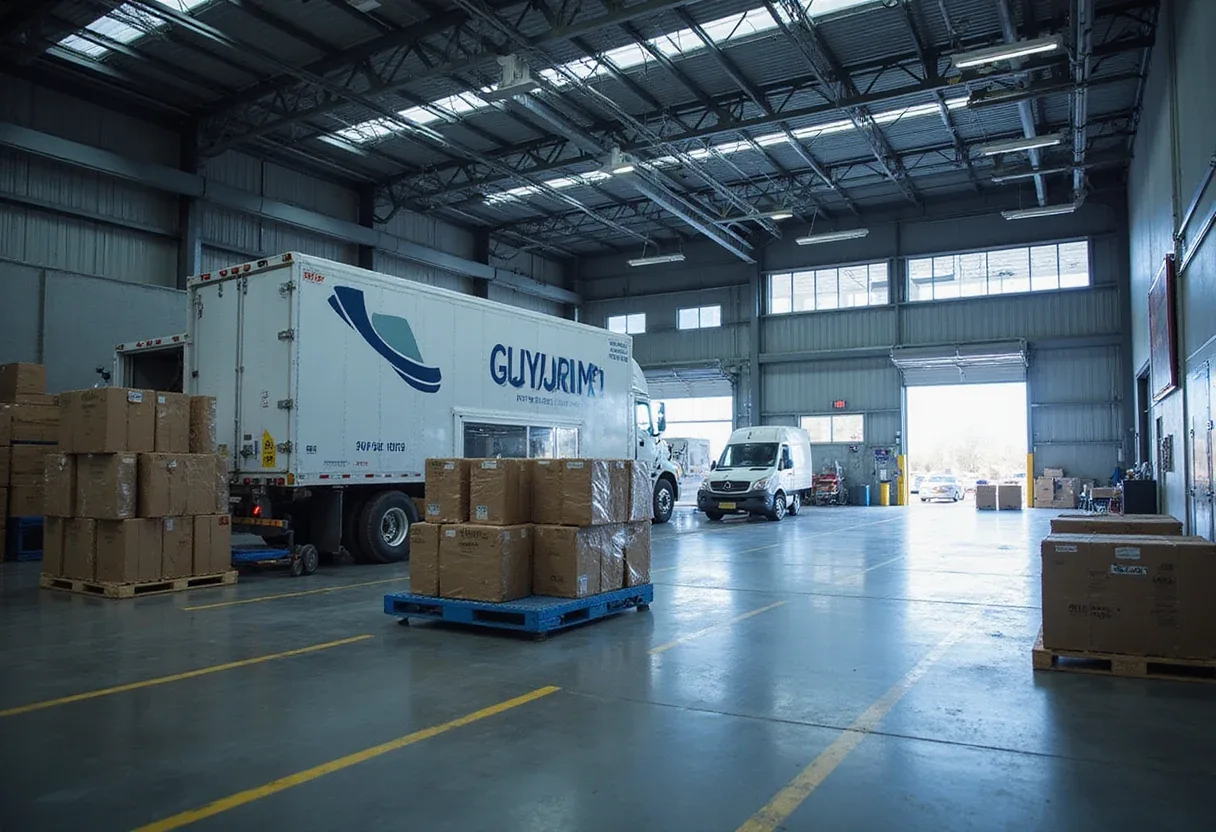
Milwaukee Mitchell International Airport has opened a new air cargo center and is now searching for tenants to anchor its freight business. The facility gives the airport dedicated cargo infrastructure it previously lacked at this scale. Its commercial success, however, depends on signing operators in a Midwest cargo market where several airports compete for the same freight flows.
BizTimes Milwaukee first reported the opening. The airport has not yet announced signed cargo tenants for the new center, which means the building enters service with capacity to fill rather than a committed operator base.
What does a cargo center actually change?
An air cargo center consolidates the functions freight needs on the ground: warehouse space for build-up and break-down of pallets, dock positions for trucks, and space for the customs and handling agents who move goods between aircraft and road networks. Without dedicated facilities of this kind, an airport typically handles only belly cargo — freight carried in the holds of passenger aircraft — and small courier operations.
With them, an airport can court the operators that matter for volume: integrated express carriers such as FedEx and UPS, all-cargo airlines flying freighters, and third-party handlers serving forwarders. The facility is the precondition for that traffic, not a guarantee of it.
Why tenants are the whole story
The airport's own framing — a new center that "seeks tenants" — signals where the risk sits. Infrastructure is a one-time capital decision; utilization (how intensively a facility is actually used) is decided by airlines, handlers and forwarders, each of which already has established routings through nearby hubs.
Milwaukee's catchment overlaps with two of the continent's dominant cargo nodes. Chicago O'Hare is a major international freight gateway, and Chicago Rockford International has built a business around dedicated freighter operations, notably Amazon Air flights. Any new cargo volume at Mitchell will largely have to be diverted from, or grown alongside, those established flows.
The realistic near-term candidates are the operators already present in Wisconsin's freight ecosystem: regional express operators, e-commerce fulfillment traffic tied to the state's distribution sector, and possible truck-to-air conversions for time-sensitive industrial shipments.
The economics airports weigh
Cargo revenue is attractive to airport operators because it diversifies income beyond passenger activity, which swings with airline scheduling decisions and travel demand. Freight also uses infrastructure efficiently — a cargo center operates around the clock and generates landing fees, ramp charges, fuel sales and lease income without requiring terminal capacity.
The trade-off is the lease risk. A facility built on speculation — before tenants are secured — carries debt service from day one. Airports typically pursue anchor tenants first, then expand. Opening with capacity and then recruiting reverses that sequence, so the pace of tenant announcements becomes the metric to watch.
No opening date beyond the report itself, tenant commitments, or investment figures were disclosed in the source material, and those numbers will determine how quickly the center pays for itself.
What comes next
The airport's next moves will likely include marketing the facility to integrated carriers and handlers and, if a freighter operator signs, pursuing the ground handling and potentially customs enhancements that international cargo requires. Watch for tenant announcements in the coming quarters — they, not the ribbon-cutting, will tell whether Milwaukee's cargo ambitions take hold.
via Google News: Air cargo (Source)
More from Sophie Lindqvist
Show full bio
Senior reporter covering people, launches and day-to-day practice in Commercial aviation industry coverage at Flightdeck Report.
507 articles
Same bay
- FDR549Milwaukee Mitchell Completes New Air Cargo Center · October 14, 2026
- FDR268Milwaukee Mitchell Opens New Air Cargo Center · October 15, 2026
- FDR533Milwaukee Mitchell International Airport opens new air cargo facility · October 15, 2026
- FDR787$80 Million Air Cargo Center Opens at Milwaukee Mitchell Airport · October 15, 2026
- FDR205Milwaukee Mitchell Opens New Air Cargo Terminal · October 14, 2026