Clearance CLR-4846 · AIR397
AIRLUF
Airlines & NetworksClearance sheet
Lufthansa Tankers Fuel Into Frankfurt as Zurich Taps Reserves
Lufthansa ordered tankering into Frankfurt on Oct 15, 2026 as pipeline maintenance cut hub supply; Switzerland released 30 million liters of reserves for Zurich.
Read-back
- Lufthansa instructed crews on October 15, 2026 to carry extra fuel into Frankfurt due to pipeline maintenance cutting supply capacity.
- Switzerland authorized withdrawal of up to 30,000 cubic meters (30 million liters) of mandatory jet fuel reserves for Zurich Airport, about 6.5% of available reserves, from October 15 to November 1.
- Fraport said the pipeline maintenance was routine and 'the airport's operational capability is therefore not affected.'
- Lufthansa said it expected no cancellations and aims to end the extra-fueling measures in the near future.
- Zurich's shortage stems from delayed rail deliveries from Germany, worsened by low Rhine water levels pushing cargo onto rail.
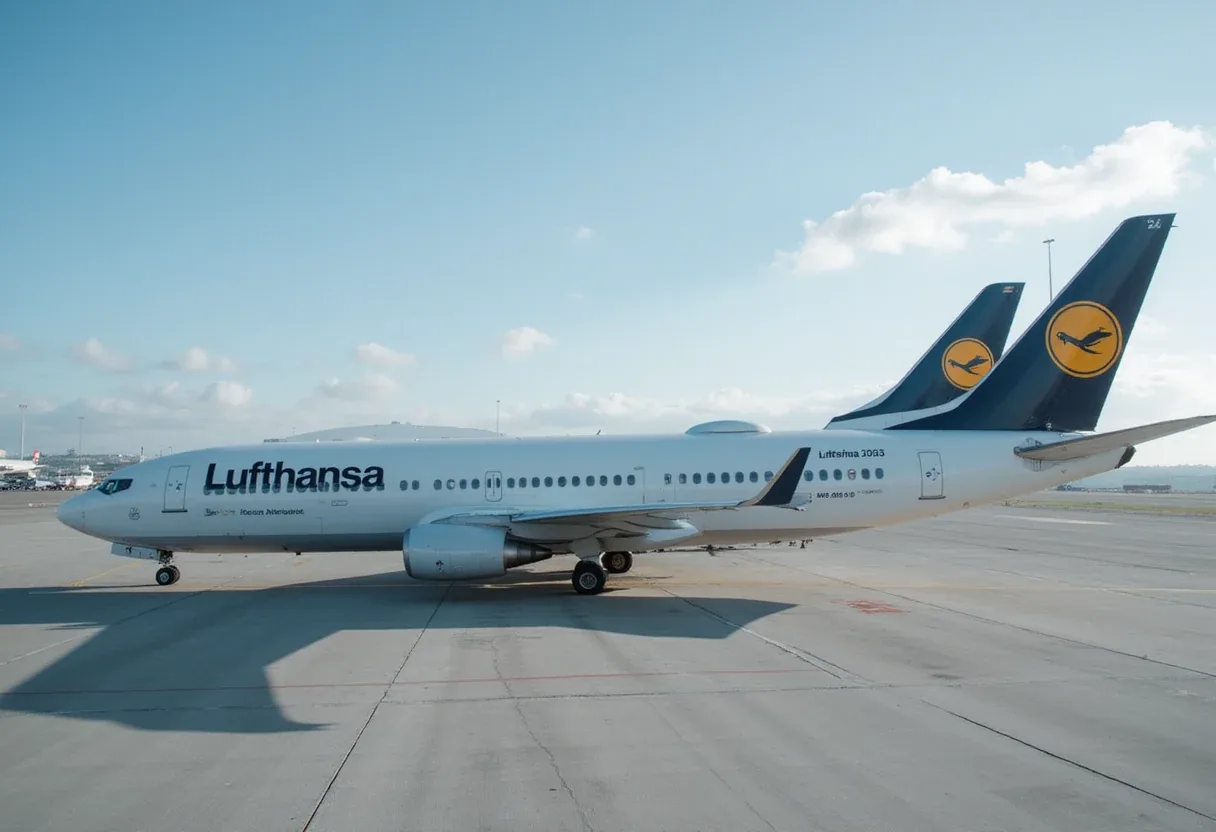
Lufthansa is ordering crews on selected flights to Frankfurt to load extra fuel before departure, after pipeline maintenance cut supply capacity at its main hub on October 15, 2026 — while Switzerland authorized withdrawals of up to 30 million liters from its mandatory jet fuel reserves to keep Zurich Airport supplied.
The German carrier called the additional fueling a precaution and said it does not expect cancellations. But the decision puts one of Europe's largest hub operators into a practice it normally avoids: tankering.
What is tankering, and why does Lufthansa want to stop?
Tankering — carrying more fuel than a flight needs so the aircraft can take on less at its destination — trades one cost for another. The airline burns extra fuel to haul fuel, and every kilogram tankered into Frankfurt adds weight, drag and emissions on the way there. For short-haul aircraft, where fuel is a bigger share of total trip cost per kilometer, the penalty bites hardest. That matches Lufthansa's exposure: the measures mainly affected short-haul flights, though some long-haul services were also impacted.
The airline told crews the steps were already helping, according to German broadcaster Tagesschau, and it expects to end them in the near future. No date for ending tankering has been given.
What does Fraport say about the pipeline work?
Frankfurt's operator, Fraport, pushed back against the notion of a crisis. It said the pipeline maintenance was routine and had been planned for some time, and that alternative supply routes and substantial storage capacity meant it does not expect a supply bottleneck.
"The airport's operational capability is therefore not affected," Fraport said, according to Reuters.
That statement and Lufthansa's precautionary tankering sit in mild tension. Airlines do not routinely burn extra fuel to protect against shortages at hubs where storage is ample and alternative routes are flowing. Fraport's reassurance speaks to overall throughput; Lufthansa's decision reflects what individual fuel suppliers can guarantee into aircraft on specific days. The truth for network planners sits in the schedules: so far, no cancellations.
Why is Zurich tapping strategic reserves?
Switzerland's problem is different in kind. On October 15, the federal government warned that delayed and canceled rail deliveries had left Zurich Airport facing a jet fuel shortage, and authorized withdrawal of up to 30,000 cubic meters — 30 million liters — from mandatory reserves between October 15 and November 1.
That release equals about 6.5% of Switzerland's available mandatory jet fuel reserves. Governments treat such stockpiles as instruments of last resort, not routine buffers, and drawing them signals that commercial logistics had genuinely failed.
The cause is a freight chain already under strain. The government said disruptions on rail routes from Germany, in particular, were preventing fuel deliveries from arriving on time. Low water levels on the Rhine compounded the problem: cargo forced off the river shifted onto an already heavily used rail network, and missed jet fuel deliveries could not be made up quickly enough.
Without access to the reserves, the government concluded, stocks available at Zurich Airport would have been insufficient to cover the missing deliveries.
Two hubs, one fragile chain
Frankfurt's squeeze stems from planned infrastructure work; Zurich's from weather-damaged logistics. But the October 15 statements from both point at the same underlying vulnerability: Central European jet fuel supply moves through a small number of pipelines, rail corridors and river barges, and a single maintenance window or a low Rhine can tighten the system from Munich to Kloten within days.
For Lufthansa Group, which hubs at both Frankfurt and Zurich, the timing is uncomfortable. Tankering works as a stopgap precisely because the group's short-haul network gives it flexibility to load fuel where supply is normal. It is not a strategy that scales: sustained tankering raises fuel burn across hundreds of daily sectors and competes directly with the group's emissions targets.
The near-term markers are clear enough. Lufthansa expects to end its extra-fueling instructions soon; Switzerland's reserve window runs through November 1. Whether either hub returns to normal supply before those deadlines will depend on pipeline work finishing on schedule and the Rhine carrying enough water to keep cargo off the rails.
via reuters.com (Original)
More from Nathan Brooks
Show full bio
Correspondent covering technology and product news in Commercial aviation industry coverage at Flightdeck Report.
477 articles
Same bay
- FDR157Fraport responds to jet fuel shortage fears at Frankfurt · October 15, 2026
- FDR443Lufthansa Cargo moves into cargo handling with acquisition · September 26, 2026
- FDR345Deutsche Bank Puts Money Into Sustainable Aviation Fuel With Lufthansa · September 30, 2026
- FDR973Germany, Austria, Luxembourg Launch €2.12 Billion SAF Program · September 30, 2026
- FDR902Lufthansa Cargo adds Navi Mumbai as operators flag challenges · October 15, 2026