Clearance CLR-3407 · AIR508
AIRIAT
Air CargoClearance sheet
IATA Sets Out Three Priorities for Air Cargo
IATA has named three headline priorities for air cargo — safety, digitization and trade policy — setting the direction for its standards work with airlines, forwarders and customs bodies.
Read-back
- IATA has published three headline priorities for the air cargo sector
- The priorities cover safety, digital process adoption and trade-policy defense
- IATA represents roughly 300 airlines and sets industry standards including the eAWB
- Implementation runs through member carrier and handler uptake, not mandate
- The agenda lands as cargo volumes and rates normalize after the 2020-2022 surge
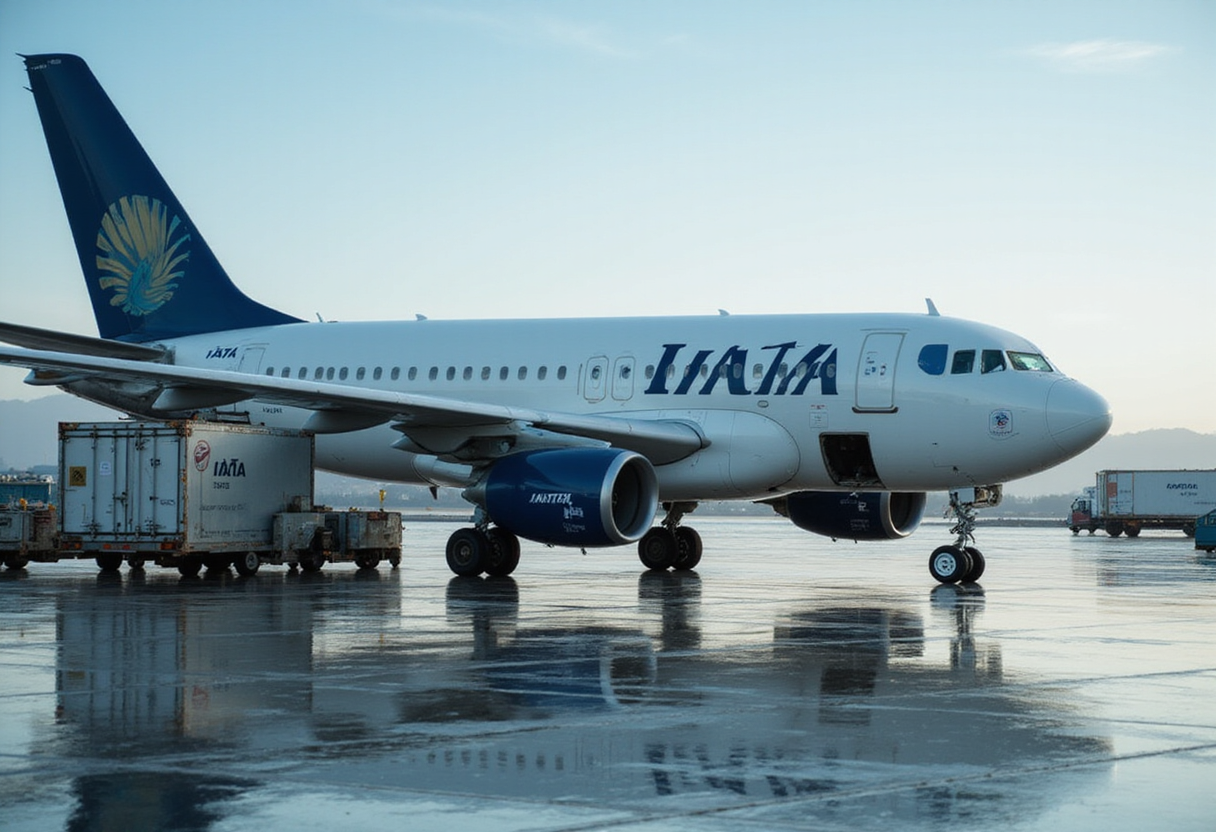
IATA has framed its agenda for the air cargo sector around three priorities, putting the industry association's weight behind issues it says will determine how freight airlines, integrators and forwarders operate in the coming years.
The announcement, made under the title "IATA Highlights Three Priorities for Air Cargo," comes from the International Air Transport Association (IATA), the trade body representing some 300 airlines and the bulk of global scheduled air traffic. IATA's cargo agenda typically shapes standard-setting work across carriers, ground handlers, regulators and customs authorities worldwide.
What are the three priorities?
IATA's release identifies three focus areas for the sector:
- Safety and operational standards across the cargo supply chain
- Acceleration of digital processes in place of paper-based documentation
- Preservation of trade flows amid shifting policy and cost pressures
The association did not attach new numerical targets to each item in the headline release. Instead, the priorities function as a steering framework for IATA's working groups and for the standards it maintains, including the electronic air waybill (eAWB, the digital replacement for the paper consignment contract) and cargo-interchange messaging systems.
What does this change for carriers?
For airlines flying freighters and belly cargo, the practical consequence is alignment. When IATA elevates a topic to headline-priority status, member carriers can expect updated recommended practices, audit criteria and harmonization campaigns to follow through its committees.
The digitization pillar carries the clearest cost dimension. Moving remaining paper documents to digital channels reduces handling time and error rates at a point when cargo yields have softened from their pandemic-era peaks and airlines are under pressure to protect margins on thinner freight volumes.
The trade-policy pillar speaks to capacity and network planning. Tariff measures, customs friction and rerouted trade lanes directly alter which freighter networks make money, and IATA has consistently positioned itself as an advocate for predictable border processes in its advocacy with governments.
The mechanism behind the priorities
IATA's cargo priorities are not regulatory instruments on their own. They guide the association's standard-setting, its liaison with bodies such as ICAO (the UN civil aviation organization) and the World Customs Organization, and the adoption campaigns it runs with airlines and freight forwarders.
That means implementation depends on member uptake. Standards IATA promotes, from eAWB penetration to lithium-battery handling rules, become effective through carrier and handler compliance rather than through mandate from the association itself.
Why the timing matters
Air cargo has been recalibrating since the demand surge of 2020-2022 gave way to a normalization in volumes and rates. In that environment, industry bodies tend to focus on efficiency gains and policy defense rather than growth advocacy.
The three-priority structure suggests IATA sees safety, digitalization and trade policy as the constraints most likely to shape sector economics in the near term, rather than aircraft capacity or fleet questions that dominated the pandemic period.
The association's cargo teams are expected to fold these priorities into their forthcoming working-group agendas and industry events, where carriers and logistics partners translate headline goals into operational standards.
via Google News: Air cargo (Source)
More from Sophie Lindqvist
Show full bio
Senior reporter covering people, launches and day-to-day practice in Commercial aviation industry coverage at Flightdeck Report.
475 articles
Same bay
- FDR955IATA Sets Out Next-Phase Aviation Safety Priorities · October 10, 2026
- FDR150IATA's March 2026 Cargo Reading Arrives as Operators Watch Yields · October 14, 2026
- FDR730IATA: Screening 'Important Layer' but Not Silver Bullet for Air Cargo Security · October 9, 2026
- FDR535Freightweek reports AERION positions itself as air cargo consolidator · October 10, 2026
- FDR168Regulator opens consultation on cargo information system rollout · October 10, 2026