Clearance CLR-5450 · AIR363
AIRETH
Air CargoClearance sheet
Ethiopian Airlines Secures Argentina Cargo Rights Including Cabotage
Argentina has granted Ethiopian Airlines cargo rights up to ninth-freedom cabotage, letting the carrier fly standalone domestic Argentine freight routes — a rare concession to a foreign operator.
Read-back
- Argentine authorities granted Ethiopian Airlines cargo rights extending to ninth-freedom cabotage.
- The ninth-freedom grant permits standalone domestic Argentine cargo operations without a link to Ethiopia.
- The award was reported by The Reporter Magazine; route, fleet and timing details remain undisclosed.
- Ninth-freedom cabotage concessions to foreign carriers are rare in major Latin American markets.
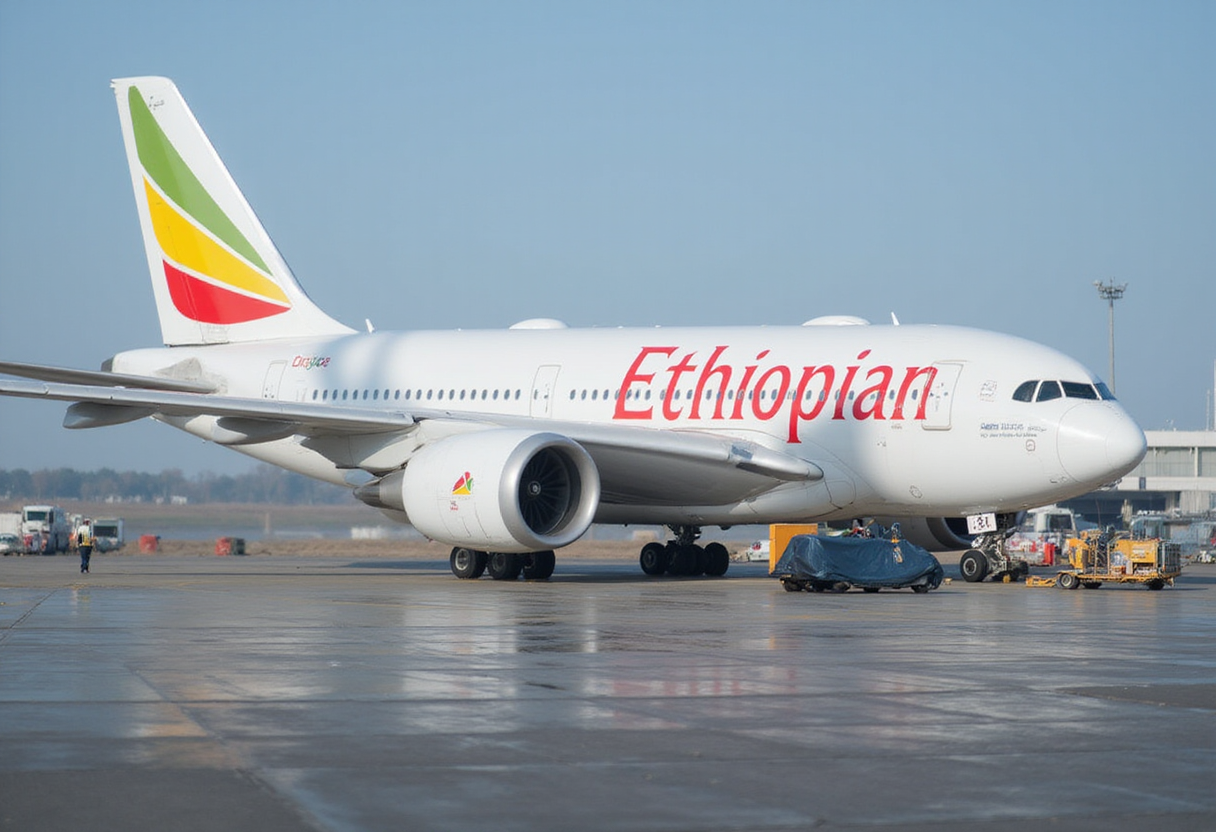
Argentine authorities have granted Ethiopian Airlines cargo traffic rights that extend to ninth-freedom cabotage, allowing the Addis Ababa-based carrier to operate freighter services on domestic Argentine routes without connecting them to Ethiopia.
The award, reported by The Reporter Magazine, is a rare instance of a foreign carrier receiving full cabotage privileges in a major Latin American market. Most bilateral and multilateral air service agreements stop at seventh-freedom rights — carrying cargo between two foreign states without touching the carrier's home country — and leave domestic sectors exclusively to locally licensed operators.
What does the ninth freedom actually grant?
Air service freedoms rank from first (overflight) through ninth (domestic carriage within a foreign state by a foreign carrier, entirely standalone). The ninth freedom sits at the permissive end of the spectrum. Few states concede it, because it places foreign operators in direct competition with national airlines on internal routes.
For Ethiopian Airlines, the practical consequence is straightforward: the carrier can now build an intra-Argentina cargo network — moving freight between Argentine cities — as a commercial end in itself, rather than as feed to or spill from its international freighter operation.
Who is affected on the ground?
Ethiopian operates one of the largest cargo businesses of any African carrier, anchored by its Addis Ababa hub and a freighter fleet it has built out over more than a decade of expansion across Africa, Asia, Europe and the Americas. Argentina, in turn, has a limited domestic freight market historically served by passenger-belly capacity and a small number of dedicated domestic cargo operators.
A foreign entrant with cabotage rights changes that competitive set. Local operators will face a competitor with:
- Access to a global freighter network and interline flows via Addis Ababa
- Balance-sheet scale that domestic Argentine cargo operators cannot match
- The ability to price domestic sectors as part of longer international chains
The counterweight is Argentine regulators' ongoing authority over capacity, tariffs and route designations, which they can adjust if the competitive effect proves disproportionate.
Why does Buenos Aires appear willing to grant this?
The reported award fits a broader pattern of Argentina using liberalized air service policy as a tool to expand capacity and reduce freight costs. The specific rationale, timing and duration of the grant — whether it is permanent, provisional, or tied to particular routes — were not detailed in the reporting now available, and Ethiopian has not publicly specified which domestic sectors it intends to fly.
What the grant does signal is a policy preference for cargo capacity over protection of incumbent domestic freight operators. That mirrors liberalization moves other South American governments have trialed, usually in response to constrained lift and high logistics costs for exporters of perishable and agricultural goods — categories central to Argentina's outbound trade.
What remains to be verified?
Several operational questions follow from the announcement and are not yet answered in public reporting:
- Which Argentine cities Ethiopian will serve with cabotage authority
- Whether dedicated freighter metal or belly capacity will carry the domestic sectors
- The timetable for first flights under the new rights
- Whether the grant is exclusive or opens a path for other foreign cargo carriers to request similar terms
Those answers will determine whether the award produces a genuine domestic Argentine freight operation or a narrowly used right attached to Ethiopian's international network planning.
What comes next?
Watch for Ethiopian's first scheduled domestic Argentine cargo flights and for any competing applications by other foreign freight operators seeking equivalent cabotage access under the precedent this grant sets.
Editor's note: This report is based on The Reporter Magazine's account of the rights award. Flightdeck Report will update as route, capacity and scheduling details emerge from Ethiopian Airlines and Argentine aviation authorities.
Note on sourcing: Public reporting on this story is currently limited to the initial announcement. Details on fleet deployment, route structure and regulatory conditions cited above are framed as open questions rather than established facts, pending confirmation from the carrier and Argentina's civil aviation authority.
via Google News: Air cargo (Source)
More from Sophie Lindqvist
Show full bio
Senior reporter covering people, launches and day-to-day practice in Commercial aviation industry coverage at Flightdeck Report.
436 articles
Same bay
- FDR220Ethiopian Airlines Expands Cargo Fleet With Additional Boeing Freighters · October 2, 2026
- FDR372Ethiopian Airlines to Acquire 10 Boeing 777 Freighters · October 1, 2026
- FDR610Ethiopian takes African launch for 777-8F with 10-aircraft Boeing order · October 10, 2026
- FDR324Ethiopian Airlines commits to 10 Boeing freighters, options 8 more · October 10, 2026
- FDR585Ethiopian Airlines Orders Eight 777-8 Freighters, Two 777Fs · October 2, 2026