Clearance CLR-3096 · AIR897
AIRCOL
Air CargoClearance sheet
Collaborative Investment Reshapes Cargo Decarbonisation
Air Cargo Week reports that pooled, collaborative investment structures — not unilateral carrier spending — now drive the cargo industry's decarbonisation agenda.
Read-back
- Air Cargo Week reports collaborative investment is reshaping cargo decarbonisation
- Pooled capital structures are displacing unilateral carrier spending as the sector's funding model
- Specific vehicles, participants and amounts were not verifiable from the headline-level source material
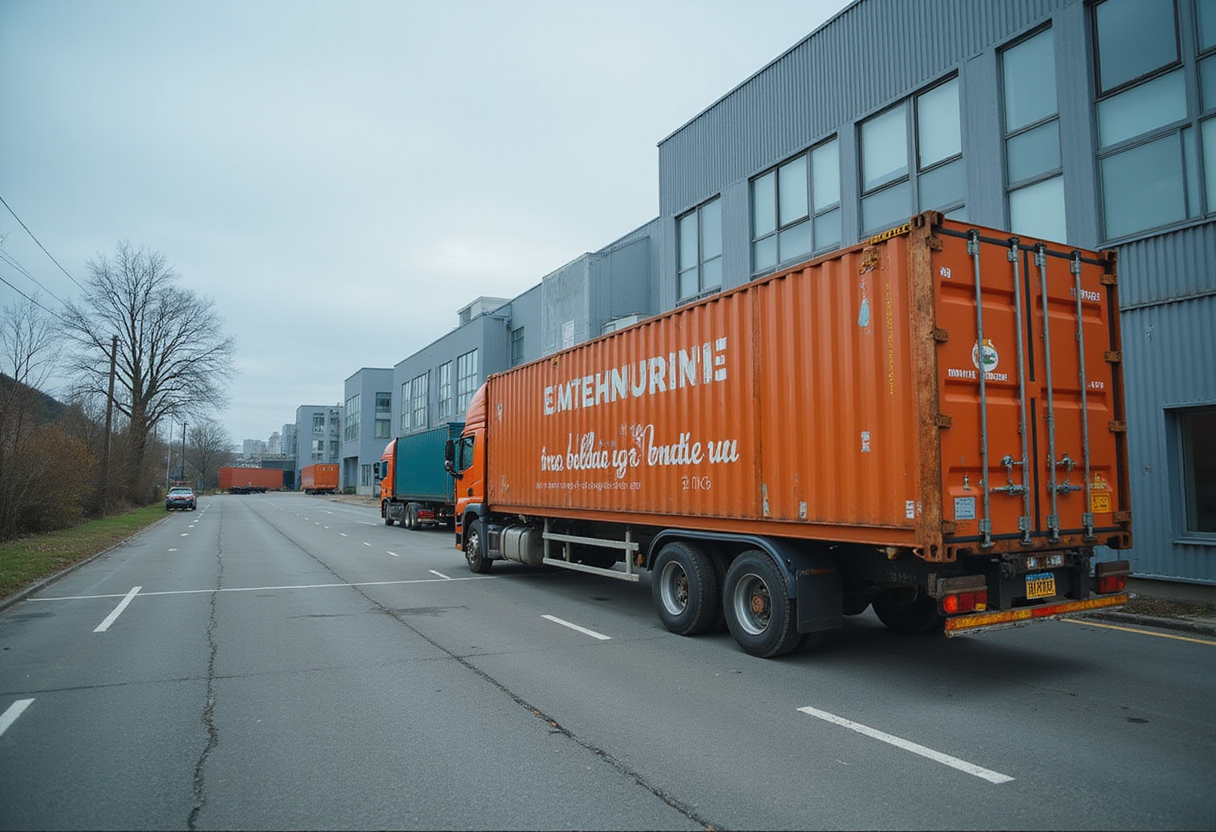
Collaborative investment has become the organising principle of cargo decarbonisation, according to Air Cargo Week, which reports that shared funding structures — rather than unilateral carrier spending — now drive the sector's emissions agenda.
The report frames the shift in structural terms. No single airline, forwarder or lessor can absorb the cost of fleet renewal, sustainable fuel procurement and ground-infrastructure upgrades alone. Pooled capital vehicles, in which carriers, investors and logistics players participate jointly, are emerging as the mechanism that makes those projects bankable.
The published material available for this story is limited to the headline framing. The specific vehicles, participants and amounts referenced in the full Air Cargo Week report could not be independently verified at press time, and Flightdeck Report has not added figures not present in the source.
What does collaborative investment change?
The core proposition is about risk allocation. Decarbonisation projects in air cargo — fleet transitions, fuel offtake agreements, cargo-handling electrification — carry capital costs and demand risk that sit uneasily on a single operator's balance sheet. Shared investment structures distribute that exposure across the value chain.
For carriers, that means access to capital without proportionate balance-sheet strain. For investors, it means exposure to the decarbonisation of a freight market whose emissions obligations are tightening across major jurisdictions. For forwarders and shippers, it offers a route to credible scope-3 reductions that internal programs alone rarely deliver.
The Air Cargo Week headline signals that this collaborative model has moved from pilot-phase experimentation to something the trade press now treats as reshaping the sector — a word choice that implies structural change rather than incremental funding.
Why pooling matters for cost and capacity
The economics of cargo decarbonisation remain the binding constraint. Sustainable aviation fuel trades at a substantial premium to conventional Jet A, and fleet renewal cycles in the freighter market lag passenger programs because converted and production freighters serve long economic lives.
Collaborative vehicles address this directly. By aggregating demand and capital, they can:
- Underwrite fuel offtake agreements at volumes a single carrier could not commit to
- Fund freighter fleet transitions without forcing operators to choose between network capacity and emissions targets
- Spread technology risk across multiple participants rather than concentrating it on first movers
The network consequence is straightforward: if decarbonisation capital arrives through pooled structures, carriers preserve capacity and route development while still meeting tightening emissions expectations from customers and regulators.
The verification gap
As with any structural claim in this space, the test is delivery. Manufacturer and program performance claims in cargo decarbonisation require verification against actual deployment records — signed offtakes, delivered aircraft, commissioned infrastructure — rather than announced intent.
The Air Cargo Week report points to collaboration as the reshaping force. Whether the vehicles now being assembled translate into measurable emissions reductions at fleet level will depend on execution over the coming funding cycles, and on whether participants sustain commitments through fuel-price volatility and soft freight markets.
Flightdeck Report will follow the underlying report's specific investment participants and amounts as they become verifiable.
via Google News: Air cargo (Source)
More from Nathan Brooks
Show full bio
Correspondent covering media and advertising at Flightdeck Report.
374 articles
Same bay
- FDR424Sustainable Travel Goals Are a "Team" Sport, Transportation Leaders Say · September 27, 2026
- FDR753Geopolitics Is Rewriting Air Cargo Supply Chain Strategy · October 2, 2026
- FDR143SABA Members Commit to Long-Term Purchases of Next-Gen SAF · September 30, 2026
- FDR332Macquarie Targets Scale-Up of Sustainable Aviation Fuel Output · September 28, 2026
- FDR698Arab carriers weigh joint jet fuel and MRO cooperation in Cairo · October 9, 2026