Clearance CLR-5601 · SAF726
SAFBOM
Safety & OperationsClearance sheet
Bomb Threat Clears Delta A330neo at Tel Aviv; Inspection Finds Nothing
Israeli security found no device on Delta's N423DX after an anonymous threat on October 13, 2026, the second security incident on Israel routes in two weeks.
Read-back
- Delta A330neo N423DX was isolated at Tel Aviv on October 13, 2026 after an anonymous bomb threat.
- Departed New York JFK October 12 at 15:55; arrived Tel Aviv shortly after 08:25.
- Ben Gurion inspection found no 'unusual findings'; operations returned to normal.
- Incident follows September 30, 2026 flydubai 737 MAX 8 cockpit axe attack that forced a diversion to Saudi Arabia.
- The flydubai first officer transmitted a 7500 unlawful-interference squawk and is suspected of attempted hijack.
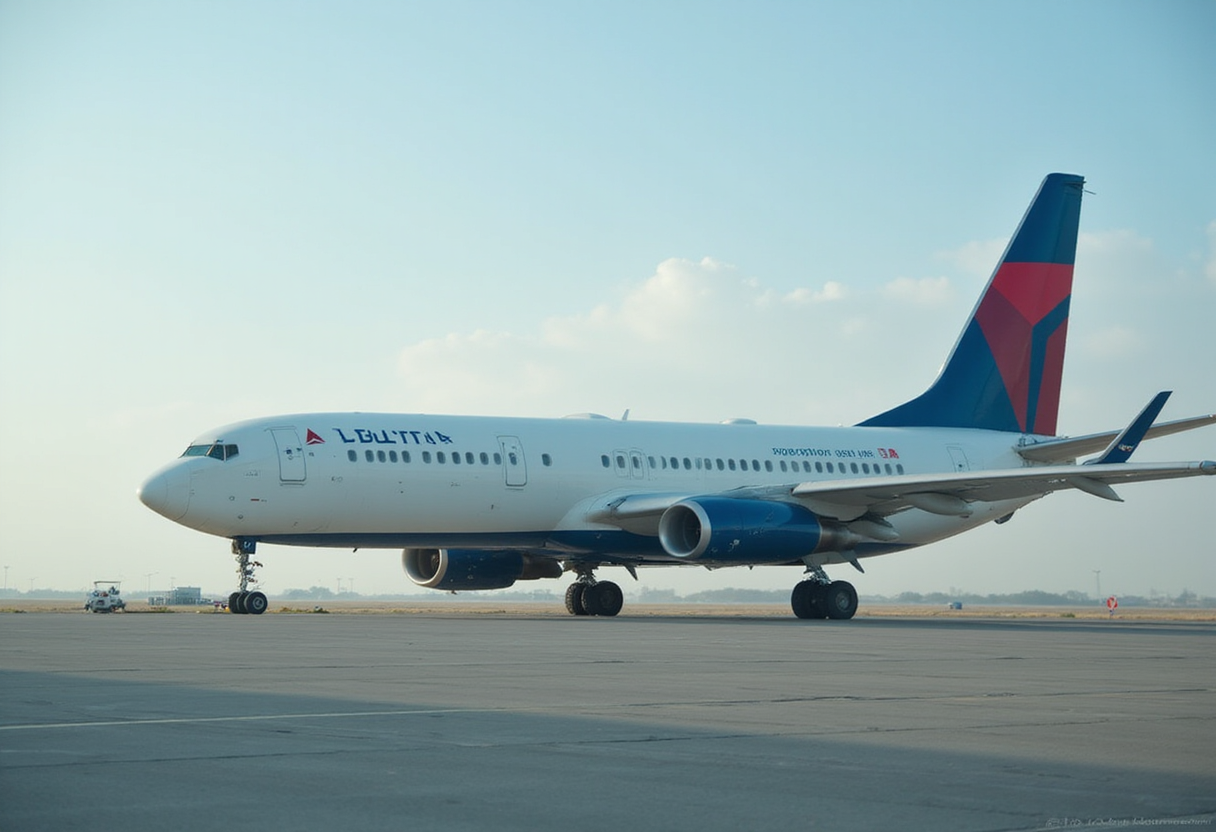
Security teams at Tel Aviv's Ben Gurion Airport cleared a Delta Air Lines Airbus A330neo on October 13, 2026, after an anonymous bomb threat forced the aircraft onto a remote runway. The inspection found nothing.
The aircraft, registered N423DX, had arrived from New York JFK. It departed at 15:55 on October 12 and landed shortly after 08:25 local time, according to AeroTime. An anonymous report of a "suspicious" device on board triggered the response. Israeli media, including The Jerusalem Post, first reported the incident.
Airport officials moved the widebody to a remote stand and searched it. Their conclusion was blunt: no "unusual findings."
"The aircraft was thoroughly inspected by Ben Gurion Airport security personnel," an Israel Airports Authority spokesperson told The Times of Israel. "Operations have returned to normal."
Delta has not yet issued its own account. AeroTime says it contacted the carrier for further detail on the suspicious device report. What the airline says next matters. Anonymous threats cost airlines real money in diversions, turnaround delays and crew time, even when the device proves fictional.
What does this change for Delta's Tel Aviv operation?
In the immediate term, little. The Israel Airports Authority confirmed normal operations resumed after the sweep. No diversion was required. The aircraft had already completed its sector.
The longer-term question is screening workload. Tel Aviv handles transatlantic widebodies under some of the world's most intensive security protocols. Each anonymous threat triggers a full remote-stand inspection, towing, crew duty consumption and schedule knock-on. The airline absorbs that cost even when the tip is false.
The incident also fits a pattern. It is the second security event on a route into Israel in under two weeks.
The flydubai attack still hangs over the corridor
On September 30, 2026, a flydubai Boeing 737 MAX 8 flying Dubai to Tel Aviv diverted to Saudi Arabia. The crew transmitted emergency transponder codes, including the 7500 code reserved for unlawful interference.
The cause was inside the cockpit. The first officer attacked the captain with an emergency axe stowed on the flight deck, according to AeroTime's reporting. He is suspected of attempting to crash the aircraft.
The captain, though stabbed, opened the cockpit door. Passengers entered the flight deck and restrained the attacker. The aircraft landed in Saudi Arabia.
Reuters, cited by AeroTime, subsequently reported the same first officer is suspected of planning a hijack on a previous flight to Tel Aviv.
Two incidents do not make a trend. But they strain the same corridor. One involved an insider threat from a licensed flight crew member. The other involved an anonymous external threat. Those are different failure modes, and they demand different fixes.
What remains unverified
Several facts are still thin. Nobody has published who made the anonymous call, or how it reached Israeli authorities. The Israel Airports Authority gave no timeline for the inspection. Delta has not confirmed the aircraft's return to service or the delay to its next rotation.
AeroTime's inquiry to Delta remains unanswered, per its own report. Until the airline responds, the operational impact — hours lost, passengers rebooked — stays unknown.
The flydubai case carries similar gaps. Saudi and UAE authorities have not published findings on the first officer's motive, licensing history or prior screening. The 7500 squawk confirms the crew treated the event as unlawful interference in real time.
The practical read
Ben Gurion's response worked as designed. The threat proved empty, and traffic moved on. That is the system functioning, not the system failing.
The harder problem is the insider case. Cockpit axes exist for emergencies like fire or incapacitation. A first officer using one against a captain exposes a trust model that no metal detector covers. Regulators in the UAE and beyond will face questions on crew mental-health monitoring that the Delta bomb threat does not raise.
For now, both investigations — one into a false tip, one into an alleged hijack attempt — remain open.
via jpost.com (Original)
More from James Calloway
Show full bio
Staff writer covering people, launches and day-to-day practice in Commercial aviation industry coverage at Flightdeck Report.
433 articles
Same bay
- FDR153Flydubai hijack scare refocuses attention on Israel's aviation security regime · October 10, 2026
- FDR915Flydubai halts Israel flights after 737 cockpit assault on FZ1073 · October 10, 2026
- FDR482Israel Prepared to Down flydubai Jet in Reported Hijack Attempt · October 9, 2026
- FDR283Flydubai 737 MAX 8 Diverts to Tabuk After 7500 Squawk · September 30, 2026
- FDR570Flydubai 737 Max 8 Diverts to Saudi Arabia Amid Crew Attack Reports · October 10, 2026