Clearance CLR-1289 · AIR258
AIRBER
Airlines & NetworksClearance sheet
BermudAir lays out Caribbean network expansion
BermudAir has confirmed a Caribbean network expansion beyond its Bermuda base, announcing new routes without yet specifying destinations, launch dates, frequencies or aircraft assignments.
Read-back
- BermudAir has confirmed a Caribbean network expansion through Travel Daily News International
- The headline-level announcement did not specify destination airports, launch dates, frequencies or aircraft assignments
- The expansion represents a geographic broadening beyond the carrier's Bermuda-centred operating footprint
- The new routes will require US DOT filings and bilateral clearances with Caribbean aviation authorities
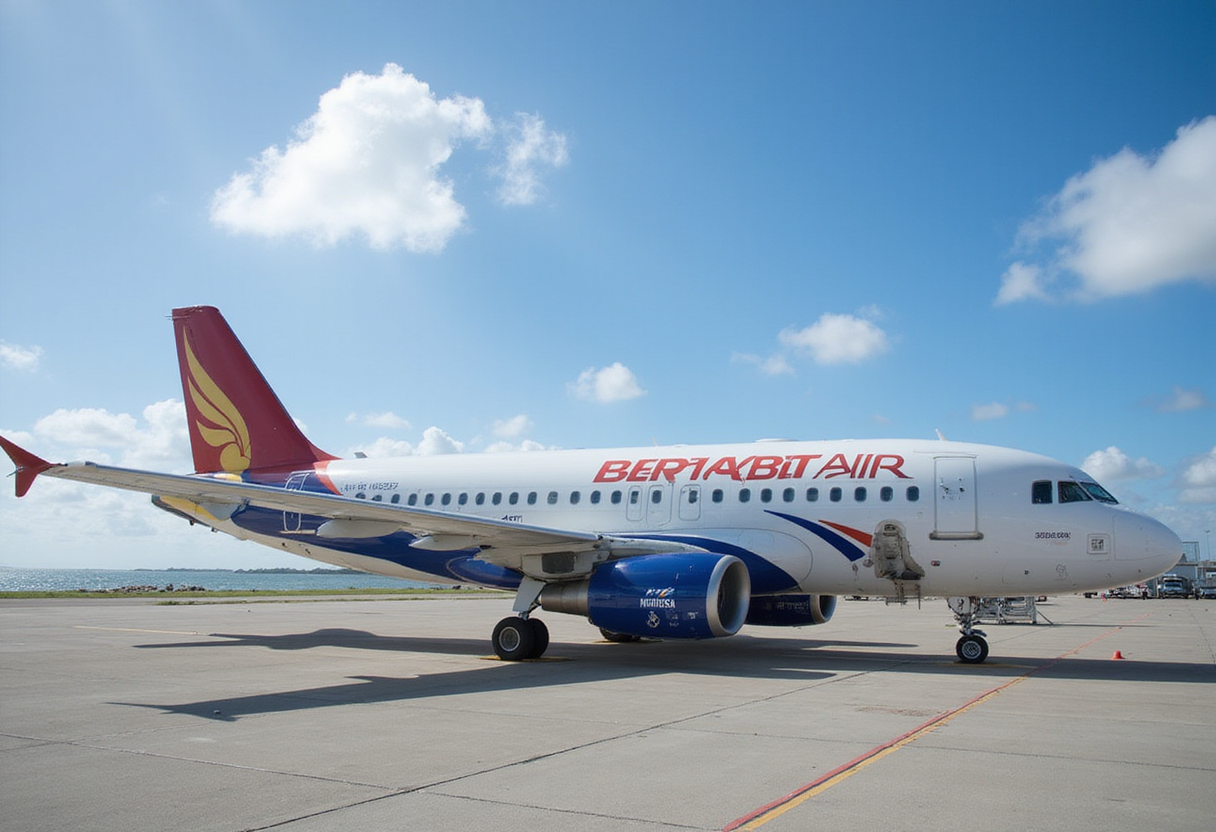
BermudAir has confirmed an expansion of its route network into the Caribbean, adding new services beyond the carrier's existing Bermuda-centred operating footprint.
The carrier disclosed the network addition through Travel Daily News International. The headline-level announcement set out the strategic intent of expanded Caribbean service without specifying destination airports, launch dates, frequencies or aircraft assignments. Those details, once filed and confirmed, will frame the carrier's competitive posture in markets where legacy network operators, low-cost carriers and regional feeders already operate.
What the move signals
The Caribbean addition opens a second geographic front for an operator whose brand identity is rooted in Bermuda connectivity. Caribbean routes operate under demand drivers that differ materially from transcontinental shuttle economics — leisure-centric booking cycles, weather-sensitive operations and seasonality patterns that typically produce wider revenue swings than corporate-driven long-haul traffic.
Market readers will look first to the carrier's filings with the US Department of Transportation and to any bilateral clearances the operator secures with Caribbean aviation authorities. Those two data points will determine the timeline and the geography.
Open questions for industry observers
Three variables will shape how analysts interpret the announcement:
- Origin gateways: which departure points will anchor the new services, and whether the carrier intends a through-connecting model via its Bermuda hub or a point-to-point operation
- Island selection: which Caribbean destinations will warrant sustained frequencies, and against what competitive intensity
- Fleet assignment: which aircraft type — and its seating density, range profile and trip-cost economics — will operate the new sectors
Why Caribbean economics matter
Caribbean route economics typically hinge on three measurable variables: load factor achievement against volatile holiday-driven demand; yield discipline in markets where legacy mainline operators, low-cost carriers and regional feeders all contest passenger traffic; and utilisation optimisation on aircraft running higher cycle counts than typical Atlantic operations.
For a niche operator pursuing geographic diversification, the strategic logic involves spreading revenue across market types with different seasonal drivers. Execution risk lies in entering markets where brand recognition, distribution reach and corporate accounts have not been established.
Market context
The Caribbean has long rewarded new-entrant carriers. High point-to-point yields, limited slot constraints at most island gateways and bilateral agreements that often favour new operators have produced an environment where regional players can build viable networks without matching legacy-major scale. The recurring risk is competitive density: destinations with multiple established services from major US East Coast gateways frequently see yield erosion once a third or fourth operator enters. Secondary airports, off-peak scheduling and adjacent island pairs offer higher-margin opportunities, but require disciplined capacity management.
What comes next
Schedule data, once published, will determine whether the new routes represent a standalone point-to-point addition or a structured multi-island network. Distribution strategy — codeshare, interline or wholly organic — will surface in the airline's commercial filings rather than in route announcements.
The expansion's durability will depend on how BermudAir positions itself competitively, and which network economics the carrier believes it can sustain through the service model it ultimately selects.
via Google News: Airline routes (Source)
More from James Calloway
Show full bio
Staff writer covering industry trends and analytics at Flightdeck Report.
411 articles
Same bay
- FDR320BermudAir CEO Outlines Growth Agenda: New Routes, Aircraft, Loyalty · September 30, 2026
- FDR855Caribbean Leaders Tie Aviation Growth To Broader Development Goals · October 10, 2026
- FDR623Caribbean Aviation Leaders Push for Stronger Regional Cooperation · October 10, 2026
- FDR129American Airlines Expands Network With Seven International Routes · October 10, 2026
- FDR496Southwest Adds Caribbean Routes From Austin · October 2, 2026